Busting the myths
Bringing the facts
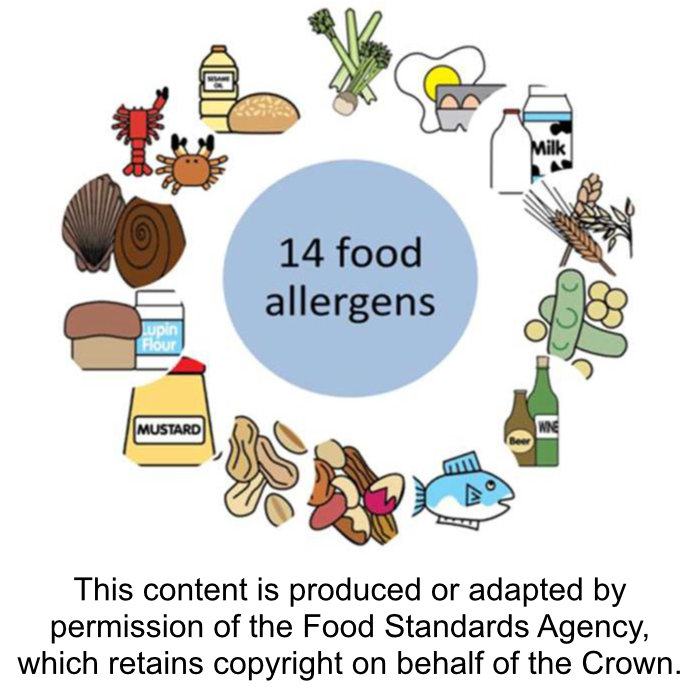

Myths and facts about allergies
There are a lot of misconceptions about allergies and those who suffer the effects.
- ‘A little bit won’t hurt you’
- ‘They’ll grow out of it’
- ‘Can’t you just take a pill?’
- ‘Allergens are killed at high temperatures!’
- ‘I wouldn’t go out if I had allergies!’
None of the above is true. A few particles of peanut dust or milk protein in the air is enough to trigger an
anaphylactic reaction for some people.
Imagine living life as if you are constantly walking through a minefield, worrying that the next meal could kill you.
Yes, allergies kill!
Imagine never going to a birthday party, a wedding, a work event, out for coffee or a meal with family and friends. Life has to go on. Life is meant to be lived and enjoyed.
Allergies have a huge impact on the daily life of millions of people across the world.
There is no cure; antihistamines can help reduce symptoms, and adrenaline auto-injectors can, and do, save lives, but avoidance is the best way to prevent allergic reactions.
An allergy is an immune response to a protein, and may vary in severity every time. The same person may have an anaphylactic reaction this time, but next time it might be nothing more than itchy skin, or vice-versa. The severity of a reaction can be influenced by other factors, such as illness or stress. Many allergic reactions do get more severe with each fresh encounter.
Living with food allergies
- Daily life
- Family and friends
- School & Work
- Social occasions/parties
- Shopping
- In hospital
Daily life with allergies can be quite frightening. Here are a few examples.
A boy with a severe milk allergy, who had cheese thrown at him. The cheese got onto his skin, and he died… at age 8.
A young lady on a plane with multiple allergies didn’t know there was sesame in her baguette… she died aged 15.
A young lady on holiday, with a severe allergy to nuts, was assured that her food did not contain any nuts…it did. She is now severely disabled due to the damage caused by a lack of oxygen to her brain, and now needs constant care… age 26.
A young man celebrating his 18th birthday, who had a milk allergy, died because the chicken had been marinated in milk.
Everyone who has a special dietary need due to health conditions lives life on the edge! Always asking questions about ingredients, scrutinising labels in the supermarket, avoiding social gatherings, missing out on family celebrations. The list goes on.
You would think allergy sufferers would be safe in a hospital, too; again, no, they are not. Many hospital staff and kitchens are not good at managing allergens, or don’t even know about them.
At work and school, there can be bullying because someone is ‘different’, needs to avoid a certain food, and there is the stigma that people still believe that having an allergy just means you don’t like a particular food.
It isn’t only children who have allergies, and most do not grow out of them. In fact, many adults have allergies, which may have started in childhood, and have gone on to have more triggers and more severe reactions.
Catering for people with food allergies
- Information for staff and customers
- Staff training
- Common practice
Catering for the food sensitive customer
In December 2014, a new law came into effect, FIR 1169/2011, which states that all food businesses must be able to provide allergen information to their customers. This law was instigated in 2011, giving food businesses three years to get their act together. Yet here we are, over a decade later, and still there are businesses that don’t even know about this law, and more that do know yet are not complying with it.
In October 2021, we saw another law introduced, Natasha’s Law, which meant that so-called PPDS foods must have a full ingredients list, in the same way as pre-packed food that is bought in the supermarket. PPDS means foods that are made, packed and sold on the same premises.
Owen’s Law has been debated in Parliament (15/05/2023) and will mean allergen information must be included on the menu.
What is required of food businesses?
Allergen information must be available for the customers to see; although verbal information is allowed, it must also be documented.
The business must have an allergen policy to explain the measures they take to manage allergens and keep customers safe. The allergen policy must be adhered to.
Staff must know what they are doing and what they are talking about; they must not guess about ingredients.
Staff must be trained in allergen awareness.
The impact on food businesses:
| Positive | Negative |
| Happy customers | Customers stay away |
| Good reviews | Bad reviews |
| Word of mouth advertising | People tell their friends |
| Repeat business | Reported to Environmental Health and Trading Standards |
| Increased turnover | Fines |
| Recognition | Loss of business |
| Awards | Potential closure |
Checklists:
| Business | Food sensitive customer |
| Have we got an allergen policy? | Can they feed me safely? |
| Do our managers have allergen training? | Who do I speak to? |
| Are our staff allergen trained? | Do they have separate equipment? |
| Do we have documented allergen information Is it user-friendly? | How do they manage cross contact? |
| Is all our information current? | Have they got up-to-date and accurate allergen information that I can use? |
| How do we manage allergens? | How can I trust them? |
| Have we got up-to-date records? | Are their staff and management trained? |
| Do we have separate areas? | How can I be sure? |
| Could we pass an allergen audit? | Do they know all their ingredients? |
Meet the team
Hi. I’m Stella.
I am passionate about helping food businesses cater for the food-sensitive diner. I have worked in the hospitality industry all my life, and am fully trained to ensure your business has all the advice it needs to grow and flourish.

Gain Cater Allergy Safer Recognition! Want to progress your business? Then click the link to work towards ensuring your staff are fully knowledgeable and compliant. When you achieve recognition, you can proudly display your award so that your customers will know that they can eat safely at your establishment.